
A used photo voltaic panel that a generator removes from its initial utility and legitimately reuses in one other software as a photo voltaic panel to generate electricity is not a strong waste. No. A solar panel that a generator legitimately uses or reuses instantly in another application without reclamation is just not a solid waste. If a recycling exclusion, exemption, or various administration commonplace applies, then the generator doesn’t need to make a hazardous waste dedication, and the generator can handle the solar panel beneath the phrases of the exclusion, exemption, or various administration commonplace. Likewise, if an exclusion, exemption, or various management normal doesn’t apply, a generator can presume the photo voltaic panel is hazardous and handle it as hazardous waste. However, EPA posted an FAQ that gives pointers for generators on acceptable generator information. The most typical reason that generators would determine that solar panels are hazardous waste is if the solar panels exceed the toxicity characteristic regulatory limits for lead or cadmium utilizing the toxicity characteristic leaching process.
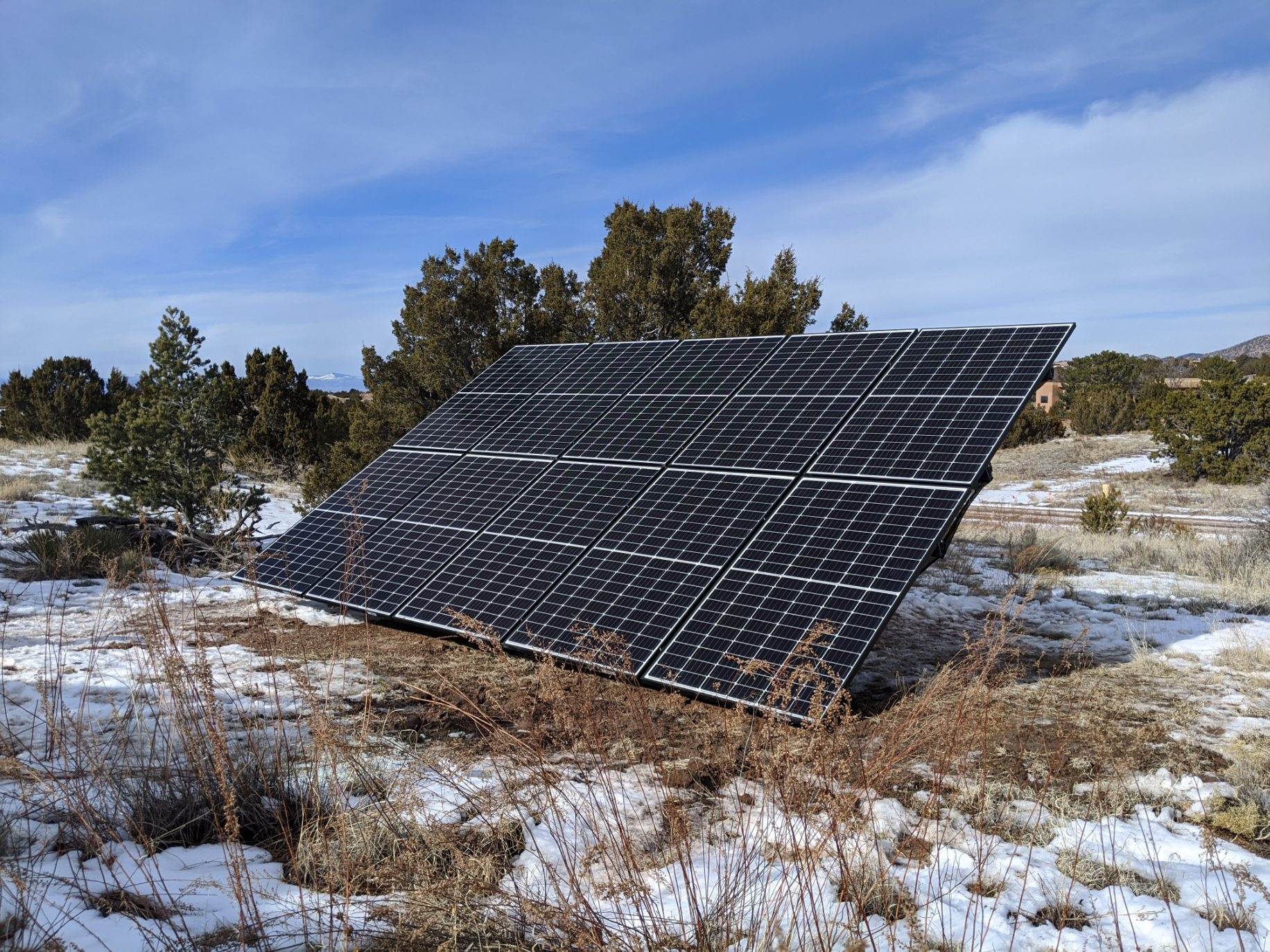 For instance, a generator can select to recycle their solar panels using the switch-based mostly exclusion without making a hazardous waste willpower, under the assumption that the solar panels are hazardous waste. EPA has not published a framework or guidelines for making data-based determinations which are specific to solar panels. However, representative sampling is a key element of creating accurate hazardous waste determinations, including for the toxicity characteristic. Any stable waste, including a solar panel, is hazardous waste whether it is listed as a hazardous waste or it exhibits any of the 4 characteristics of hazardous waste (i.e., toxicity, ignitability, reactivity, and corrosivity). It does decide whether or not a waste is a hazardous waste because it exhibits a toxicity characteristic. For example, if the TCLP is carried out on a waste that accommodates lead and the TCLP extract accommodates lead at or above the toxicity characteristic regulatory restrict of 5.Zero mg/L, then the waste exhibits the characteristic of toxicity, and it might carry a hazardous waste code of D008. If any of the regulated contaminants in the TCLP extract equal or exceed the concentrations specified in forty CFR Section 261.24, the waste possesses the characteristic of toxicity and is a hazardous waste. You could find more information in regards to the TCLP in: SW-846 Test Method 1311: Toxicity Characteristic Leaching Procedure.
Generators of waste solar panels that exceed the toxicity characteristic regulatory limits must handle them as hazardous waste underneath forty CFR Parts 262 by 268, until they restore, reuse or recycle them below one of many exclusions discussed in additional element beneath. Do generators have to make hazardous waste determinations on solar panels that they’ll reuse or send off-site for reuse? Do generators must make hazardous waste determinations on solar panels that they recycle or ship off-site for recycling? How does EPA regulate solar panel manufacturing scrap (e.g., off-specification solar panels) below RCRA? In addition, EPA does not consider used solar panels to be stable wastes when they are sent to resellers for legitimate reuse or repair and so they would not be topic to RCRA requirements. If generators of waste solar panels know from previous expertise that the panels would exceed the TCLP regulatory limits, they’ll decide that the wastes are hazardous with out testing. Therefore, generators may want to consider managing solar panels fit for and unfit for reuse individually. EPA recommends holding solar panels with a reasonable expectation of reuse separate from solar panels which might be damaged or in any other case not fit for reuse to avoid having to handle all of them as hazardous waste or hazardous secondary supplies and for ease of transportation.
Solar panels match for respectable reuse which can be managed individually from these unfit for official reuse do not should be shipped as solid waste or hazardous waste. EPA has not printed steering specific to representative sampling of solar panels for TCLP testing. The TCLP also permits complete concentration measurements for use to help toxicity characteristic hazardous waste determinations underneath sure situations. Does EPA have any steerage on how to make information-based mostly hazardous waste determinations for solar panels? EPA has revealed often requested questions on representative sampling and statistical evaluation to support hazardous waste determinations, and these FAQs have hyperlinks to extra EPA resources that could possibly be useful for representative sampling of multi-component wastes corresponding to discarded solar panels. Then we need to have the solar panel turned towards the terrestrial equator (either facing south within the northern hemisphere, or north in the southern hemisphere) so that through the day its orientation allows the panel to catch the best doable amount of solar radiation possible. Furthermore, on average, 5kW Solar Panels generate around 22-24kWh a day. Alternatively, a generator can assume the panels are hazardous waste and manage them as hazardous.